AI systems & product engineer
Hey, I'm Ashray.
I build the systems agents live in and the products people trust them with.
Most AI demos end when the model answers. My work starts with everything after that: the runtime that keeps an agent alive, the permission boundary that keeps it safe, and the interface that makes the experience delightful.
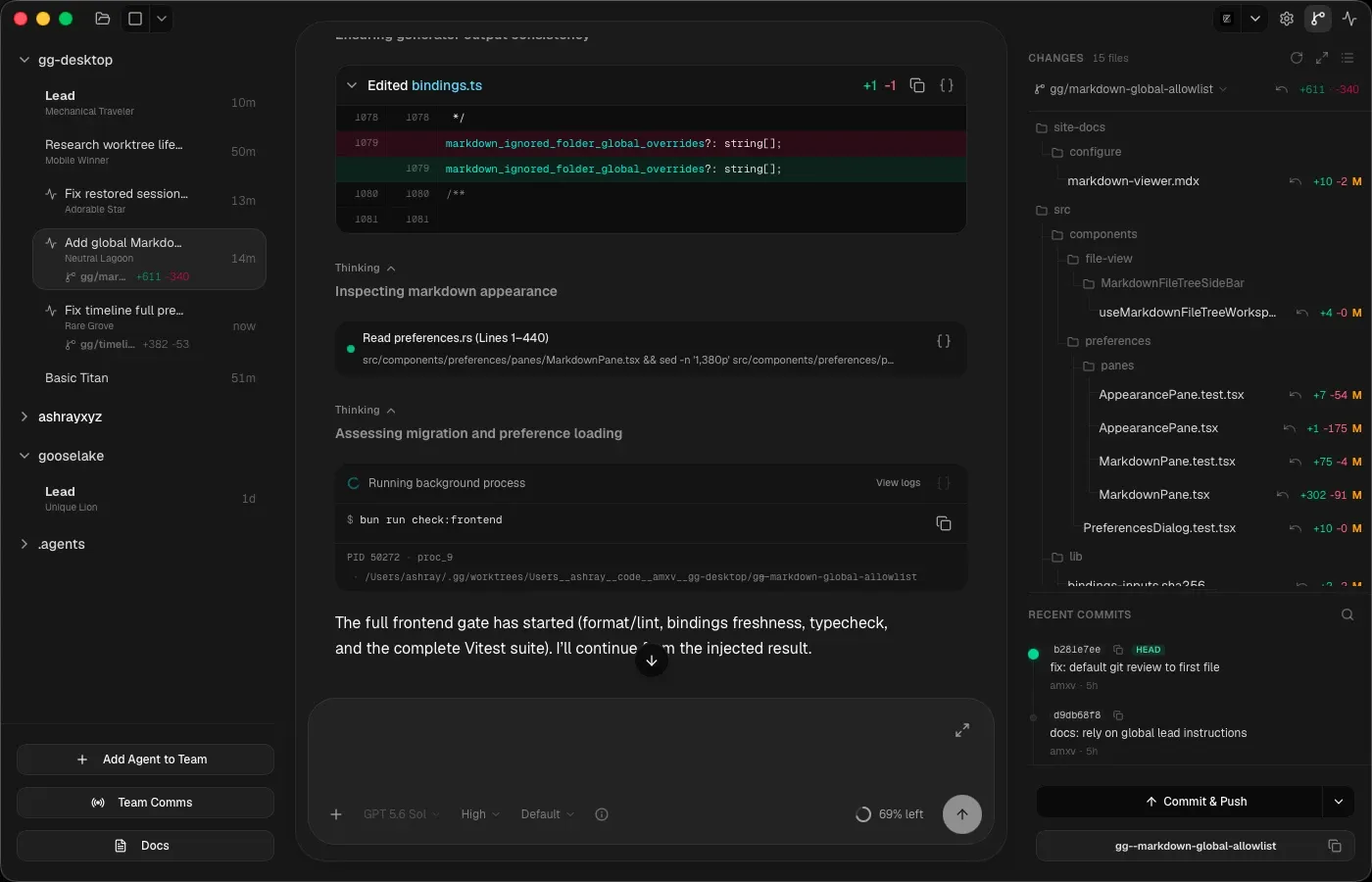

Across the stack
What I build
The projects move between infrastructure, tools, and products. The judgment underneath them is the same.
Runtimes
Agents need somewhere to live.
I build the durable layer underneath them: sessions, turns, replayable events, background processes, recovery, and delivery that survives a restart.
Applied AI
Context is a product decision.
Voice, memory, generative UI, image workflows, and scoped tools are designed around what a model should see and what a person should feel.
Process
Autonomy starts with alignment.
Research, planning, phased implementation, review, and browser testing live as versioned workflows that get better whenever they fail.
One practice
The systems work makes the product credible. The product work tells the systems what matters.
I move up and down the stack instead of handing the hard parts across its seams.
Selected case studies
The work in practice
Four projects, each built around one decision that changed everything downstream.
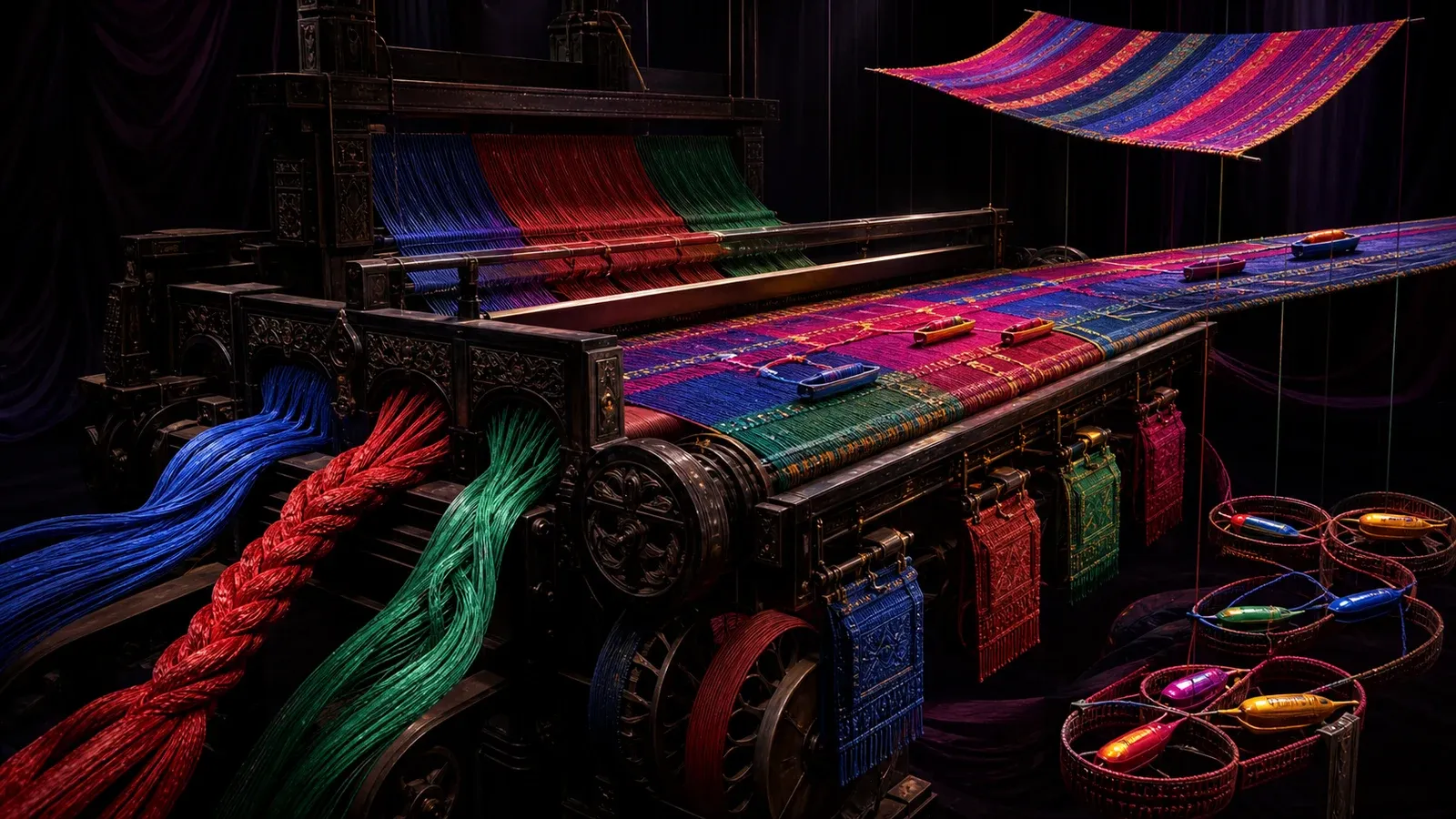
Gooselake
The distributed system agent apps keep rebuilding by accident.
A headless Rust control plane for durable sessions, replayable streams, processes, worktrees, and agent-to-agent delivery.

Zodega
A multi-vendor marketplace with AI in the storefront and back office.
A production-tested storefront, seller portal, and admin dashboard with voice shopping, virtual try-on, and AI-generated catalog media in one Next.js app.
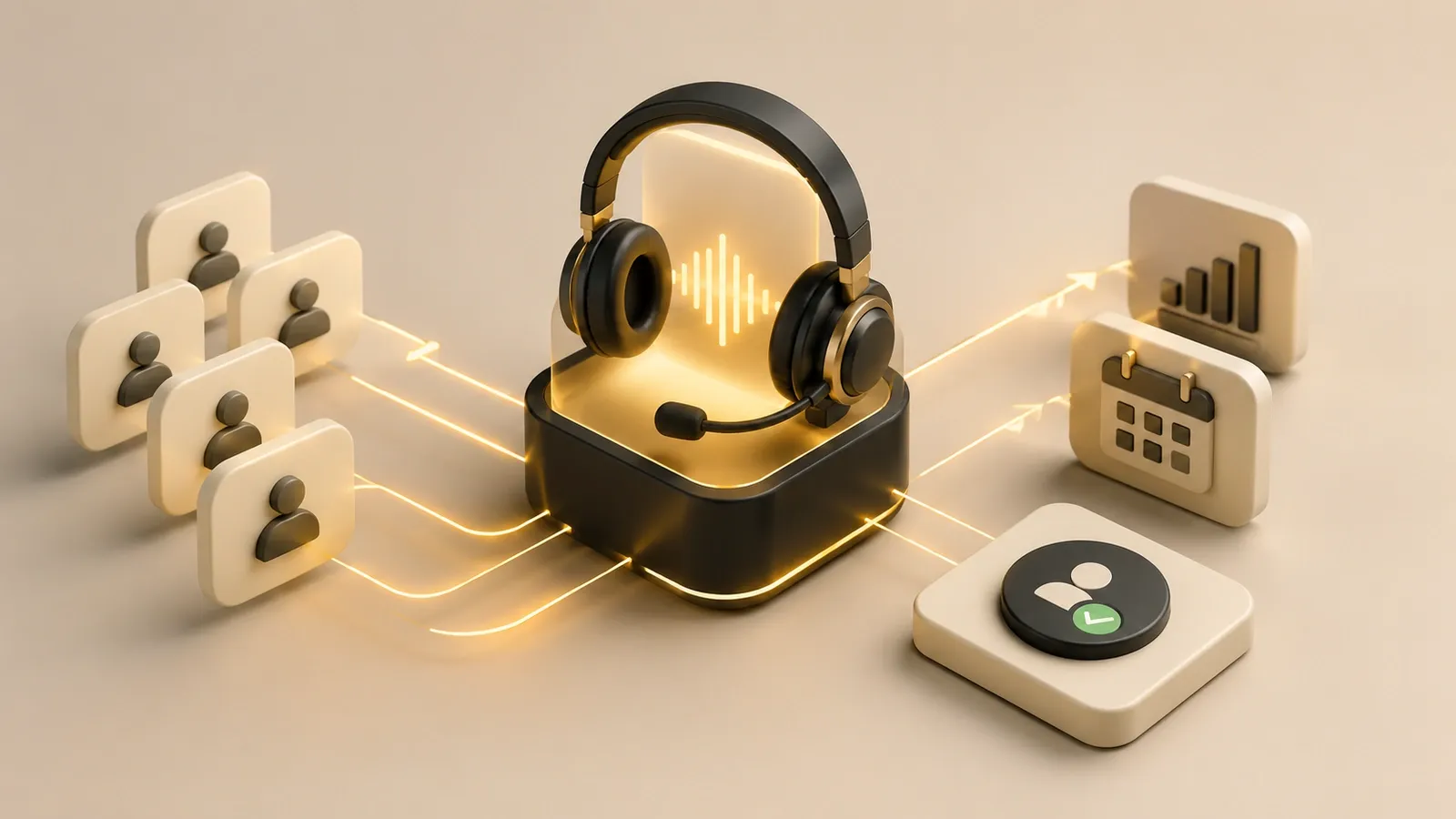
Icephone
An AI voice agent platform for campaigns, CRM, and scheduling.
One self-hosted app for configuring agents, launching campaigns, managing leads and appointments, and running calls through Twilio, Telnyx, or Vonage.
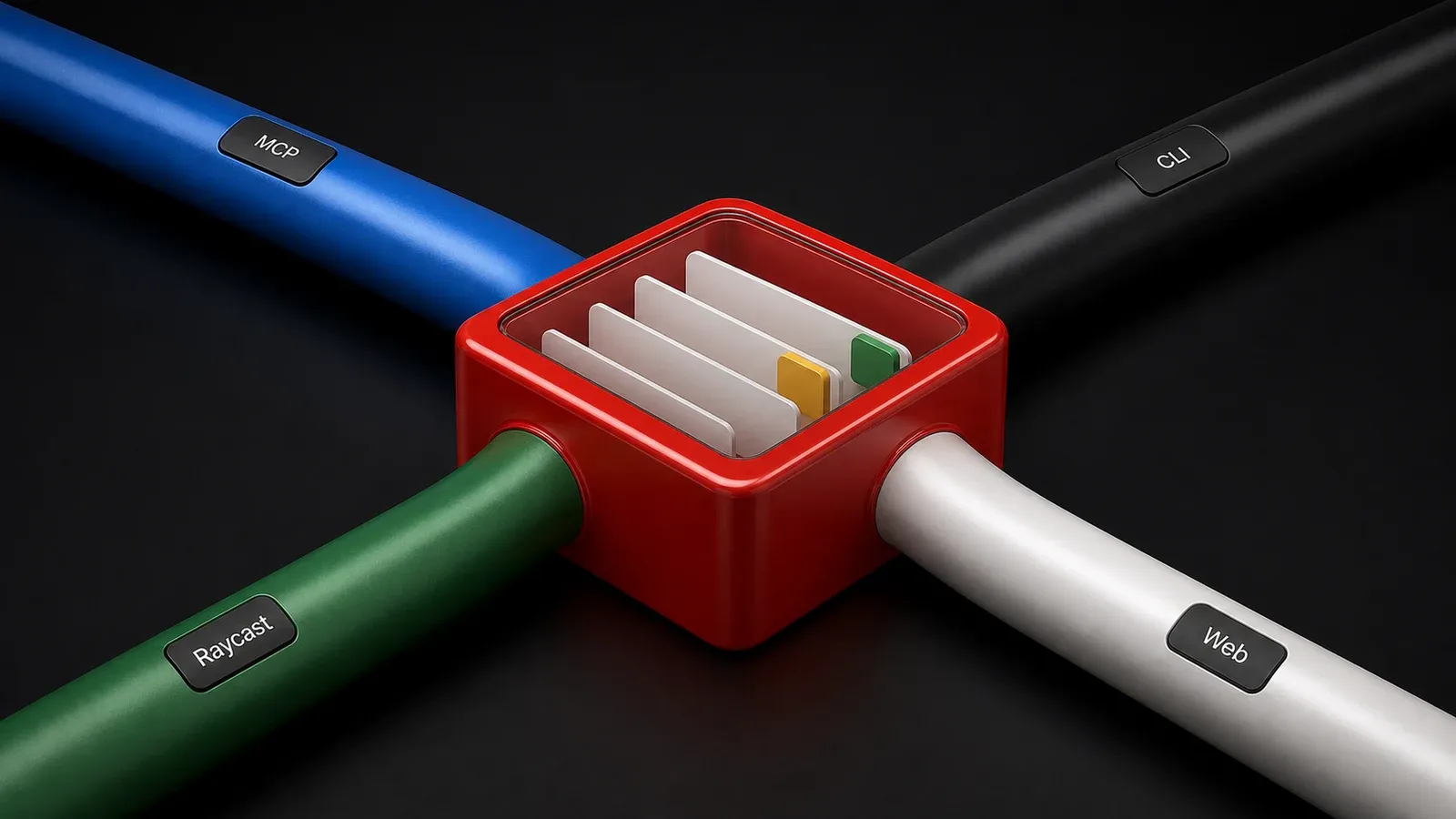
Agentbox
The inbox that gets me out of the clipboard role.
One shared message bus for local agents, remote agents, files, and the human in the loop, with a CLI, MCP surface, and web dashboard over the same core.
Featured writing
The ideas behind the work
The project pages show what I built. The essays are where I work out why I build it that way.
Read all essaysIntent
You don't know what you want to build
Why the slowest, most human part of my workflow happens before any planning or automation begins.
Multi-agent systems
Agent coordination doesn't need hierarchy
Why flat teams, direct messages, and shared files beat recursive spawn trees for real collaborative work.
Agent workflows
Find the verifier
The most useful thing I learned about prompting was to stop looking for a prompt and put a verifier in front of the goal.
Technology choices
The stack follows the problem
I do not collect technologies. I pick the feedback loop and failure modes I want for the layer I am building.
For the layer that holds the truth.
When wrongness means corrupted state instead of a visual bug, I want the compiler reviewing every line, especially when agents wrote it.
Read the essayFor the distance between annoyed and done.
Great type-safety, small binaries, and instant builds help me go from idea to published tool in the same day.
Read the essayFor the products people touch.
The web is where systems decisions become a feeling. TypeScript and React let me carry the contract all the way into the interface.
Read the essayGet in touch
If the work sounds familiar, let's talk.
If you're building a serious AI product or looking for an engineer who can move between its systems and product layers, send me a note, book a call, or email me.